If you work in a research environment that deals with longevity science, metabolic function, or anti-aging biology, the 5 amino 1mq peptide is almost certainly on your radar. It has appeared consistently in research discussions and active lab catalogs, and the question most researchers eventually ask is not whether to include it in their work but where to source it properly. That sourcing decision has more riding on it than many researchers initially realize.
Why This Compound Gets Consistent Research Attention
There are hundreds of compounds in active research catalogs at any given time, but some generate more sustained attention than others. The 5 amino 1mq peptide falls into that second category. It is categorized under longevity and anti-aging research, which is one of the fastest-growing areas of scientific inquiry right now. Labs exploring metabolic pathways, cellular health, and age-related biological mechanisms have added this compound to their experimental programs at an increasing rate.
Catalog Positioning Reflects Research Demand
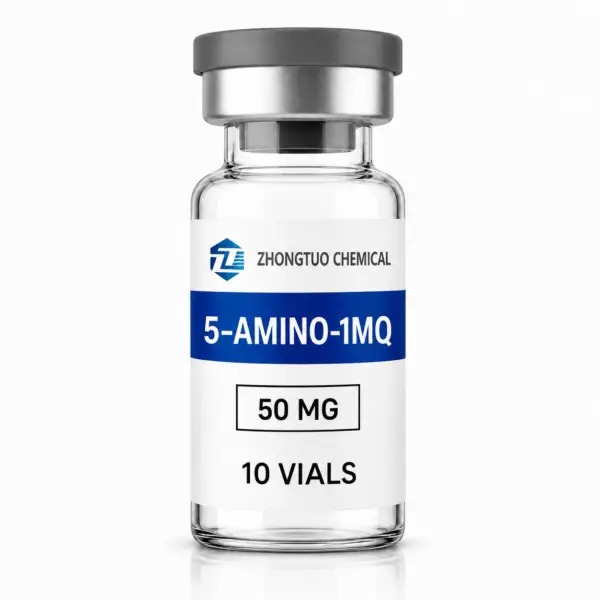
A compound’s catalog placement tells you something about how actively it is being researched. Suppliers that carry 5 amino 1mq peptide in multiple pack sizes, with clearly documented specifications, are responding to genuine demand from active research programs. The availability of both 5mg and 50mg configurations in 10-vial packs reflects a supplier thinking carefully about the range of experimental scales researchers operate at.
Pack Sizes and What They Signal About a Supplier
The availability of smaller pack sizes for initial studies alongside larger formats for ongoing research programs is a practical feature that matters. Not every lab is ready to commit to 50mg packs at the outset, and a supplier that recognizes this by offering both options is one that understands the realistic progression of a research program from exploratory to established phases.
Verification Is Not Optional in Serious Research
The research community has learned through experience that compound quality cannot be assumed. A product that arrives unlabeled or undocumented introduces uncertainty that compounds across the entire experimental dataset. For 5-amino-1mq specifically, researchers need to confirm purity and identity through a legitimate Certificate of Analysis from an independent testing laboratory before integrating the compound into any active protocol.
What Good Documentation Looks Like
A well-constructed COA for a research compound includes the compound name and catalog number, the batch identifier, the purity percentage, the testing method used, and the identity of the independent laboratory that conducted the analysis. When all of these elements are present and verifiable, researchers can proceed with genuine confidence in the material they are working with.
Compliance Documentation for Institutional Use
Research labs operating within institutional frameworks often face procurement audits and source documentation requirements. Working with a supplier that operates as a registered business entity with clear research-only designation and published COAs makes this documentation process considerably more straightforward. It removes ambiguity from procurement records and supports clean reporting at every stage.
Practical Ordering Considerations for Active Labs
Ordering research compounds efficiently requires thinking a few steps ahead. For labs planning extended studies with 5 amino 1mq peptide, considering the bulk pricing structure early can lead to meaningful cost savings without compromising any quality standards. Ordering 30 to 60 boxes or 100-box quantities comes with progressively lower per-unit pricing, which adds up significantly over the course of a multi-month research program.
Support access is another practical consideration. When a question arises about an order, a shipment status, or a documentation detail, the ability to reach a real person quickly makes a measurable difference to how smoothly a lab’s operations run. Real human support, available and responsive, is a feature that experienced researchers learn to value deeply.
Long-Term Sourcing Relationships in Research
The most effective research programs tend to settle into stable sourcing relationships with suppliers they trust. Moving between vendors introduces unnecessary variability and requires repeated vetting processes. A supplier that consistently delivers verified compounds, communicates honestly, and maintains reliable global delivery becomes a genuine operational asset over time.
ZLZ Peptides was built with this kind of long-term relationship in mind. Its focus on research-only supply, third-party verified documentation, and responsive human support reflects an understanding of what research labs actually need beyond the catalog itself.
Conclusion
Sourcing 5 amino 1mq peptide well is about more than finding the lowest price. It is about finding a supplier whose quality standards, documentation practices, and customer support hold up under the scrutiny that serious research demands. Start with verified compounds, maintain clean records, and build your research program on a supplier foundation that earns your trust. The science depends on it.