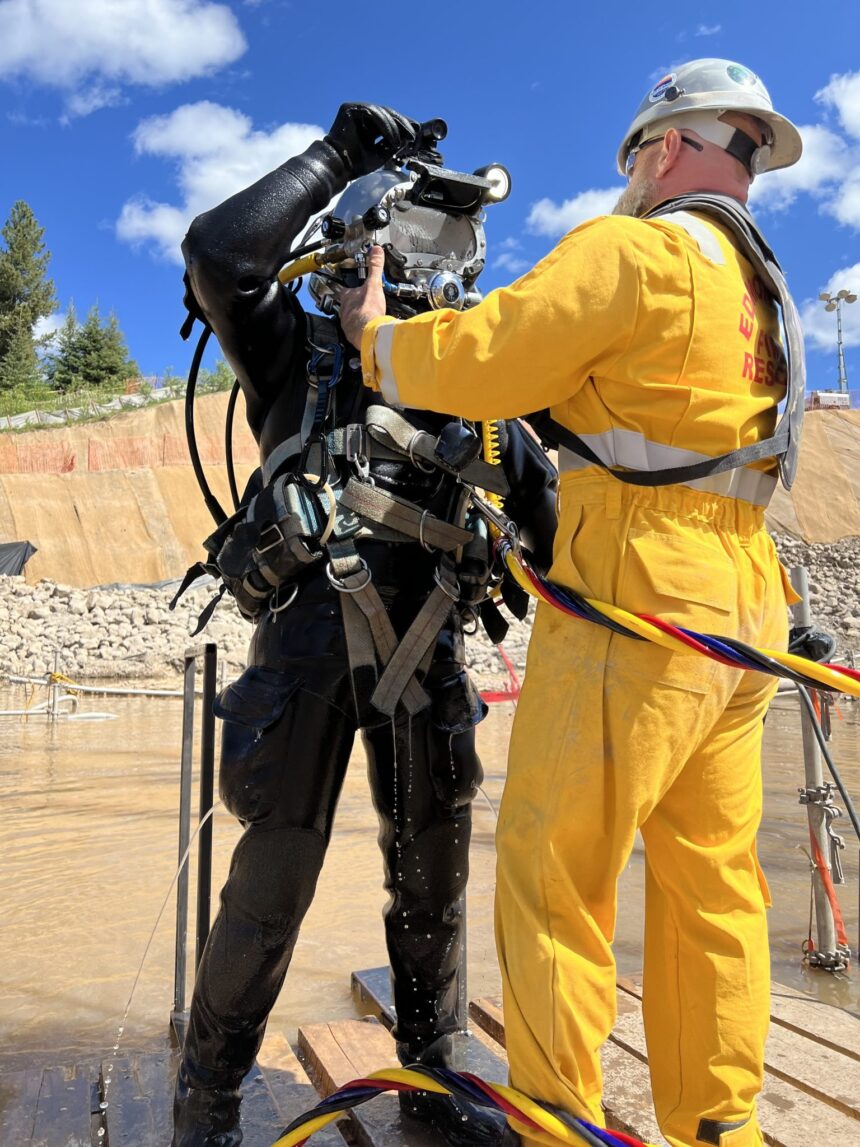
When we think about infrastructure we usually think about things like highway overpasses, big buildings or power plants.. We often forget about the huge foundations, pipeline systems and port facilities that are underwater. These underwater structures have to deal with a lot of weight chemical damage and strong water forces every day.
To keep these structures in good shape we need more than just regular equipment and labor. We need engineering, custom machines and trained people who can work safely in water where you cannot see. Running underwater operations requires following strict engineering rules, safety standards and life support practices.
The Hidden Mechanics of Marine Asset Management
Underwater structures are in an environment. Saltwater hurts the concrete strong currents wear down the joints and marine animals attach to surfaces. If we do not check and maintain these structures regularly small problems can become big and expensive.
Cathodic Protection and Corrosion Control
Metal structures in water are always getting damaged by electricity. To stop steel from rusting we use cathodic protection systems. These systems use metal or electricity to protect the main steel. We have to check and replace these parts regularly.
Non-Destructive Testing Methods
To check the health of structures we need special equipment. Engineers use methods like testing, magnetic particle inspection and radiographic imaging to check the structure without damaging it. These methods give us information about the structure.
Biofouling Management Strategies
Marine growth like barnacles and algae adds weight to structures and increases water resistance. To remove this growth we use high-pressure water jets and special cleaning units. Cleaning these surfaces is important before we can inspect or repair them.
Technical Challenges in Subsurface Construction
Building big projects underwater is hard. We have to deal with water pressure, changing currents and limited visibility. This makes tasks like pouring concrete or placing steel beams very challenging.
Concrete Pouring Under Water
Pouring underwater is harder than pouring it on land. If we pour it wrong the water can wash away the parts of the concrete. We use methods and additives to keep the concrete strong and prevent water from getting in.
Wet and Dry Welding Protocols
When we need to repair steel underwater we have to choose between two methods: hyperbaric dry welding and direct wet welding. Hyperbaric welding uses a container to keep the water out while wet welding uses special electrodes that can work in water. We choose the method based on how deep the water’s what we need to do.
Heavy Rigging and Seabed Excavation
Moving steel or concrete blocks underwater requires special equipment and expertise. We use cranes, winches and custom rigging to place these blocks. We also use tools to clear the seabed and make it ready for new structures.
Working with a Commercial Diving Company ensures that our underwater work meets international standards and is safe.
High-Risk Safety Frameworks for Submerged Workplaces
Working underwater is very dangerous. We have to deal with pressure, heavy machinery and no visibility. This means we have to be very careful and follow safety rules.
Surface-Supplied Air and Nitrox Systems
Unlike divers industrial divers use special air systems that come from the surface. This gives them a supply of air and allows them to communicate with the surface team. For work we use special gas mixtures to prevent nitrogen problems.
Managing Differential Pressure Risks
Differential pressure is a hazard underwater. It happens when water moves between two areas with pressures. This can create a vacuum effect that can trap equipment or people. We have to follow rules and use special equipment to prevent this.
Real-Time Monitoring and Safety Protocols
Modern underwater projects use advanced monitoring systems and safety protocols. We have video feeds, depth sensors and communication channels that allow us to watch the work in time. If something goes wrong we can respond quickly. Fix the problem.
Environmental Protection in Marine Engineering
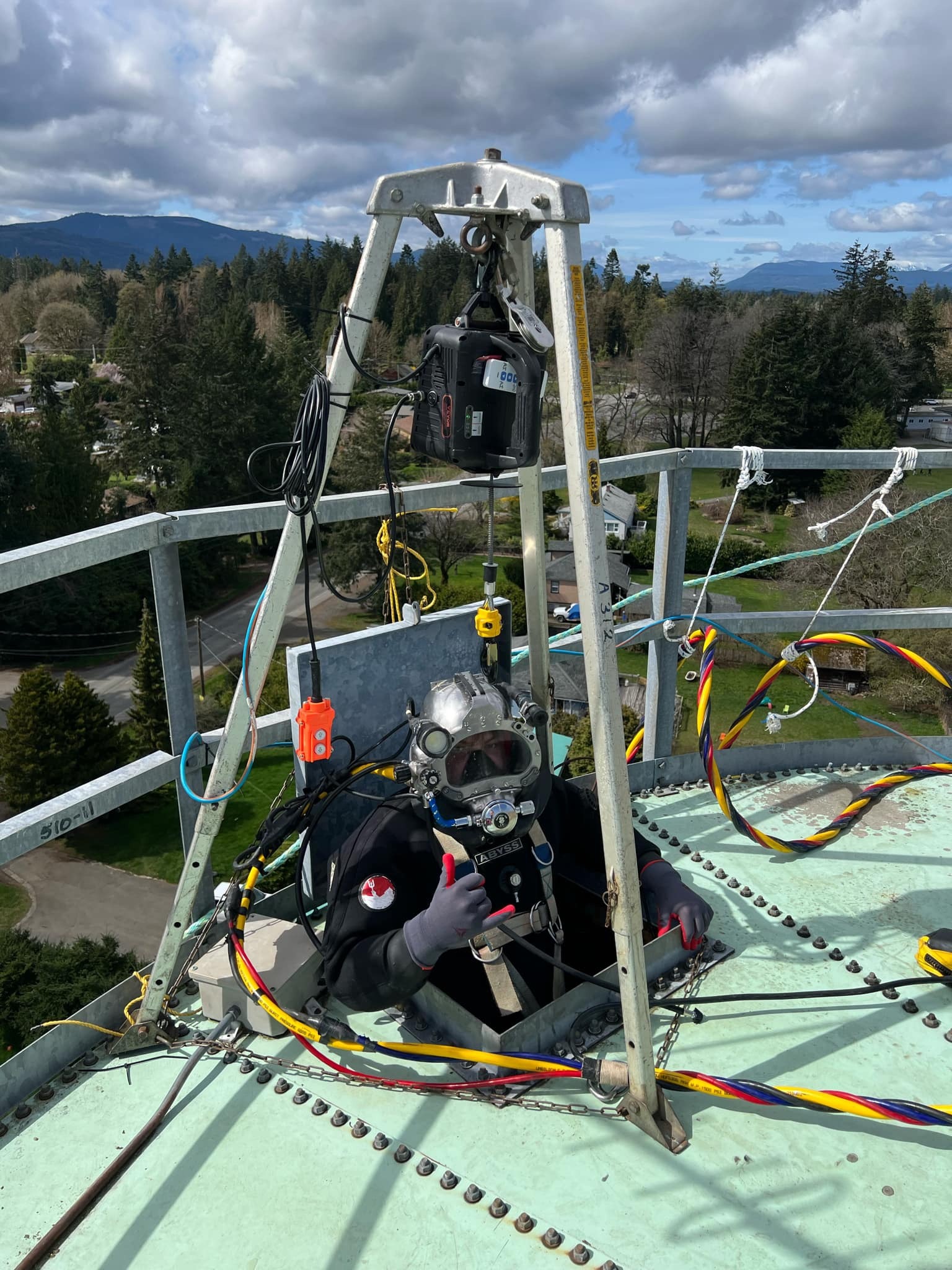
Underwater construction projects have to balance work with environmental protection. We have to prevent sediment from spreading, protect animals and prevent chemical leaks.
Turbidity Containment and Sediment Control
When we excavate or dredge we stir up a lot of sediment. If we do not control it this sediment can hurt habitats. We use curtains to trap the sediment and prevent it from spreading.
Noise Mitigation During Impact Driving
Underwater construction can be very loud. Disturb marine animals. To reduce the noise we use bubble curtains that surround the construction area. This helps to soften the sound and prevent it from spreading.
Non- Sealants and Bio-Safe Hydraulic Fluids
We have to be careful not to leak chemicals into the water. We use lubricants and non-toxic fluids that can break down harmlessly if they get into the water. We also use sealants that do not hurt the environment.
Using certified Commercial Diving Services helps us to meet standards and protect marine habitats.
Modern Tools Reshaping Aquatic Inspection
New technology is changing how we plan, survey and inspect structures. We use automated tools that make our work safer, faster and more accurate.
Multibeam. 3D Seabed Mapping
We use sonar systems that bounce sound waves off the seabed. This gives us 3D maps of the underwater terrain. We can use these maps to identify problems and plan our work.
ROV Integration for High-Risk Reconnaissance
We use operated vehicles (ROVs) to inspect underwater structures and check for hazards. ROVs can go where it is too dangerous for people and give us information.
Digital Twin Modeling
We take thousands of photos of structures and use special software to create 3D models. These models help us track changes over time and catch problems before they become issues.
Conclusion
Underwater infrastructure is very important for trade, defense and energy. Because it is, in an environment we have to take care of it regularly. We use engineering, advanced technology and trained technicians to protect these structures and keep them safe.
FAQs
1. What is deep water infrastructure?
Deep water infrastructure includes underwater foundations, pipelines, ports, offshore platforms, and other marine structures that support industries such as trade, energy, and defense.
2. Why is regular underwater inspection important?
Regular inspections help identify corrosion, structural damage, and marine growth before they become costly or dangerous problems.
3. What is cathodic protection?
Cathodic protection is a corrosion control method that uses sacrificial metals or electrical current to protect steel structures from rusting in marine environments.
4. What are Commercial Diving Services used for?
Commercial Diving Services are used for underwater inspections, maintenance, welding, repairs, construction, seabed excavation, and marine asset management.
5. What is the purpose of non-destructive testing underwater?
Non-destructive testing allows engineers to inspect underwater structures for defects without causing any damage to the structure itself.
6. How do ROVs help in underwater projects?
Remotely Operated Vehicles (ROVs) inspect underwater structures, collect data, and perform reconnaissance in areas that may be too dangerous for divers.
7. Why is environmental protection important in marine engineering?
Environmental protection helps prevent sediment pollution, chemical leaks, and excessive underwater noise while protecting marine habitats during construction and maintenance activities.
8. What technologies are commonly used for underwater infrastructure inspections?
Modern underwater inspections commonly use multibeam sonar, 3D seabed mapping, ROVs, digital twin modeling, and advanced monitoring systems to improve accuracy and safety.