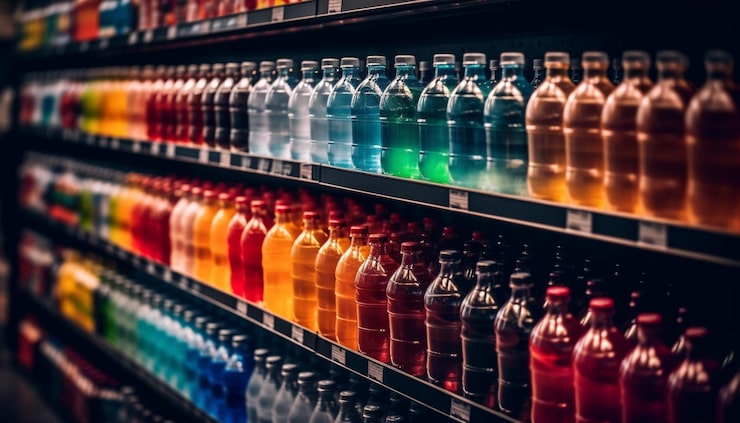
The beverage industry continues to expand as consumers search for new flavors, healthier ingredients, and convenient drink options. From functional drinks and plant-based beverages to sparkling waters and ready-to-drink teas, brands are constantly introducing innovative products to capture consumer attention. However, launching a successful drink requires much more than a creative idea. It involves a complete process of research, formulation, branding, packaging, and production planning. This is where Beverage Product Development plays a vital role. It helps transform a simple concept into a shelf-ready beverage that meets both market expectations and regulatory standards while maintaining consistent quality and flavor.
The Complete Journey of Creating a Beverage Product
Beverage product development refers to the full process of transforming a drink concept into a finished commercial product. It combines creative thinking, food science, and strategic business planning. The process typically begins with identifying a clear market opportunity. Companies analyze consumer behavior and industry trends to understand what type of beverage could attract customers. For instance, a brand might notice growing interest in low-sugar beverages, vitamin-infused drinks, or functional beverages designed to support energy, hydration, or immunity. Once this opportunity is identified, developers begin shaping the product concept by defining the flavor profile, target audience, ingredient strategy, and brand positioning. These early decisions help guide the entire development process and ensure the final product aligns with consumer expectations.
Understanding Consumer Trends Before Development
Market research is one of the most important steps in beverage creation because it helps companies validate whether their idea has real demand. Consumer preferences in the beverage industry evolve rapidly, and brands must stay informed about emerging trends. Today, many consumers prefer beverages that combine taste with health benefits. Drinks with natural ingredients, reduced sugar levels, and functional nutrients have gained strong popularity. Sustainability has also become an important factor, encouraging brands to adopt eco-friendly packaging and responsible sourcing practices. Businesses carefully analyze competitor products, pricing strategies, and customer feedback to identify gaps in the market. By understanding these insights, companies can develop beverages that offer something unique while still aligning with what consumers want.
Crafting the Ideal Flavor and Ingredient Balance
Developing the right flavor is one of the most exciting yet challenging aspects of beverage creation. A drink must deliver a pleasant taste while maintaining stability, nutritional balance, and shelf life. Beverage developers experiment with natural extracts, sweeteners, acids, and flavor compounds to achieve the desired taste profile. This stage often involves professional Drink formulation services that help brands create reliable and scalable beverage formulas. Experts in beverage formulation evaluate factors such as ingredient compatibility, pH balance, preservation methods, and overall product stability. For example, if a company plans to create a vitamin-enriched sparkling drink, formulators must ensure that the vitamins remain stable while preserving the drink’s carbonation and flavor integrity. Careful ingredient selection also supports modern consumer expectations for clean labels and natural components.
Designing Packaging and Building Brand Identity
Packaging and branding are essential elements that influence how consumers perceive a beverage. While packaging protects the product, it also communicates the brand’s story, values, and purpose. Companies must choose packaging formats that align with their brand identity and production requirements. Options may include aluminum cans, glass bottles, PET containers, or sustainable packaging alternatives. Each option affects cost, shelf life, environmental impact, and consumer appeal. Branding decisions such as logo design, color schemes, and label messaging help create a recognizable identity that attracts customers. In addition to aesthetics, beverage packaging must also meet regulatory standards by including ingredient lists, nutritional information, and safety labeling. Well-designed packaging not only protects the drink but also plays a key role in influencing purchasing decisions.
Preparing for Large-Scale Beverage Production
Once the beverage formula and packaging design are finalized, the next step involves preparing the product for commercial manufacturing. During this stage, developers test the drink in larger batches to ensure consistent taste and quality when produced at scale. This process may involve pilot production runs, equipment calibration, and quality control testing. Manufacturers must carefully monitor ingredient ratios, processing temperatures, and storage conditions to maintain product consistency. Food safety regulations also require strict sanitation procedures and documentation to ensure the beverage is safe for consumers. Partnering with experienced beverage production facilities allows brands to scale their operations efficiently while maintaining high standards of quality.
Compliance and Quality Assurance in the Beverage Industry
Before a beverage can enter the market, it must comply with regulatory requirements established by food safety authorities. These regulations ensure that products are safe for consumption and accurately labeled. Beverage companies must provide clear ingredient lists, nutritional information, and allergen disclosures on packaging. In some cases, additional testing may be required to verify shelf life, microbiological safety, and product stability. Meeting these regulatory requirements helps protect consumers while preventing delays or legal complications during product launch. Quality assurance programs also help maintain consistency across every production batch, ensuring that customers receive the same flavor and experience every time they purchase the beverage.
Bringing the Beverage to the Market
After completing development, formulation, and production planning, the beverage is ready for launch. Marketing strategies play a significant role in introducing the product to consumers and building brand awareness. Companies often use a combination of digital advertising, social media campaigns, influencer partnerships, and retail promotions to reach their target audience. Sampling campaigns and promotional events allow consumers to experience the drink firsthand, increasing the chances of repeat purchases. Successful beverage brands often focus on storytelling by sharing the inspiration behind the product, its ingredients, and the benefits it offers. This approach helps build emotional connections with customers and strengthens brand loyalty.
The Role of Innovation in Beverage Growth
Innovation continues to drive growth in the beverage industry as companies explore new ingredients, functional benefits, and advanced production technologies. Modern beverage trends include adaptogenic drinks that support stress management, protein-enriched beverages designed for fitness enthusiasts, and low-calorie sweetening solutions that reduce sugar intake without sacrificing flavor. Sustainability innovations are also reshaping packaging design and manufacturing processes. These developments allow brands to stay competitive while meeting changing consumer expectations. As technology and research continue to evolve, beverage product development will remain a key factor in creating exciting and market-ready drinks.
Final Thoughts
Developing a beverage product is a complex yet rewarding journey that blends creativity, science, and strategic planning. From identifying consumer trends and designing the perfect formula to building strong branding and preparing for large-scale manufacturing, every step contributes to the final product’s success. Companies that invest time in thorough research, professional formulation, and effective marketing strategies are better positioned to launch beverages that resonate with consumers. With the right development approach and industry expertise, a simple drink concept can evolve into a successful brand that earns a place on store shelves around the world.
FAQ
- What does beverage product development include?
Beverage product development includes concept creation, flavor formulation, ingredient selection, packaging design, manufacturing preparation, regulatory compliance, and marketing strategy. - Why are professional drink formulation services useful?
Professional drink formulation services help ensure that beverages maintain consistent flavor, proper ingredient balance, and shelf stability while meeting food safety regulations. - How long does it typically take to develop a beverage product?
The development timeline varies depending on the complexity of the drink, but most beverage products require several months to over a year for research, formulation, testing, branding, and production preparation.