
Power infrastructure planning is rarely a priority for manufacturing plant operators until something goes wrong. A grid outage during peak production, a generator that fails to start during a test, a transfer switch that does not perform as expected — these events reveal gaps in the power infrastructure that were always present but never tested. The facilities that avoid these surprises are the ones that approach power infrastructure planning proactively, with a partner who understands industrial power requirements from the inside out.
Power Infrastructure Priorities for Manufacturing Plant Operators
Manufacturing plants have more complex power requirements than most commercial facilities, and that complexity increases as production equipment becomes more technologically sophisticated. Modern manufacturing environments include CNC machinery, programmable logic controllers, precision measurement systems, and data infrastructure that is sensitive to power quality in ways that older equipment was not. An adequately sized generator that delivers poor power quality — excessive harmonic distortion, voltage fluctuation, or frequency variation — can cause as many problems as no backup power at all.
Understanding these requirements before specifying backup power equipment is what separates a well-planned system from a reactive purchase. Manufacturing plants benefit most from backup power systems that are specified with full knowledge of the connected load profile, including both the power quantity requirements and the power quality requirements of sensitive equipment.
Power Quality Factors That Matter in Modern Manufacturing
- Total harmonic distortion (THD): Generators with high THD can interfere with variable frequency drives and precision control systems
- Voltage regulation: Tight voltage regulation protects sensitive electronic manufacturing equipment from damage
- Frequency stability: Precise frequency control is important for timing-critical manufacturing processes
- Voltage transients: Proper transfer switching minimizes voltage transients that can cause control system faults during transitions
Generators as Part of a Comprehensive Manufacturing Power Strategy
Generators are the most visible element of a manufacturing plant’s backup power strategy, but they function within a broader electrical infrastructure framework that includes the distribution system, transfer switching equipment, and load management strategy. A generator that is perfectly specified in isolation can still underperform if it is not properly integrated with the plant’s electrical distribution design.
Catawba Power and Lighting approaches manufacturing power projects with this complete system perspective. Rather than simply fulfilling a generator purchase order, the team engages with the facility’s overall power requirements to ensure that the backup power equipment, transfer switching, and distribution infrastructure are properly coordinated. That integrated approach prevents the field problems that appear when equipment is sourced and installed without consideration of system interactions.
Building a Manufacturing Power Strategy That Scales
Manufacturing operations grow and evolve over time. The power infrastructure installed today should be designed to accommodate that growth without requiring premature replacement of major equipment. Key design decisions that support future scalability include:
- Oversizing the main distribution capacity: Leaving headroom for future load additions without requiring distribution upgrades
- Modular generator configurations: Some facilities benefit from parallel generator configurations that allow capacity to be added incrementally
- Transfer switch capacity: Sizing transfer switches for future load levels, not just current requirements
- Controls and monitoring infrastructure: Building in the communications capability for future remote monitoring and energy management
Why Catawba Power and Lighting Serves Manufacturing Clients Well
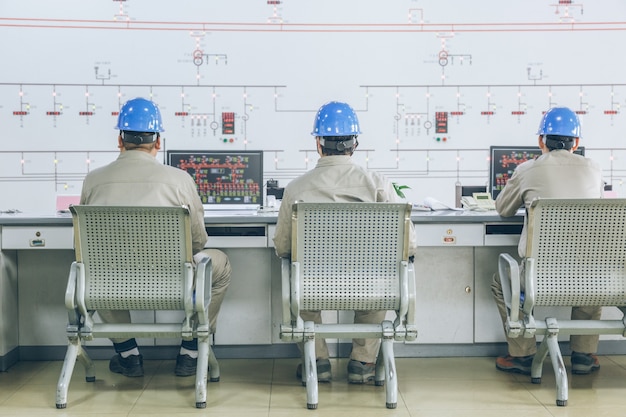
Catawba Power and Lighting’s combination of infrastructure-level technical expertise, broad manufacturer relationships, and Native-owned procurement credentials makes the company genuinely well-positioned to serve manufacturing operations with diverse power infrastructure needs. The company is not simply a product reseller — it is a strategic infrastructure partner that engages with project requirements from design through deployment.
For tribal manufacturing operations, the company’s Native American-owned status provides direct tribal procurement advantages. For commercial manufacturers participating in diversity supplier programs, Catawba’s credentials satisfy supplier diversity requirements without requiring any compromise on equipment quality or technical support. The company maintains strategic manufacturer relationships that provide access to specification-grade generator systems and electrical infrastructure equipment at competitive pricing.
Conclusion
Manufacturing plants that invest in properly specified, strategically sourced backup power infrastructure are the ones that maintain production continuity when grid events occur. Generators selected with full understanding of industrial load characteristics, power quality requirements, and future scalability deliver performance that protects operations and justifies the investment. Catawba Power and Lighting provides the infrastructure partnership that makes those investments successful.