A well-maintained driveway is more than just a path to your home; it’s the first impression guests notice and a key factor in your property’s curb appeal. Over time, gravel driveways can develop ruts, potholes, and uneven surfaces, making them unsafe and unattractive. Fortunately, with the right approach to gravel driveway repair, you can restore its beauty and functionality without the need for a full replacement.
Understanding the Importance of Gravel Driveway Maintenance
Gravel driveways are popular due to their affordability and natural charm, but like all surfaces, they require care. Neglecting small issues can lead to bigger problems, such as water pooling, soil erosion, and uneven surfaces that make driving or walking hazardous. Regular maintenance not only extends the life of your driveway but also saves money in the long run.
One crucial aspect of upkeep is addressing minor imperfections before they worsen. For example, gravel driveway repair, filling small dips and leveling uneven areas prevents water from collecting in low spots, which is a common cause of potholes. Ignoring these early signs often results in expensive repairs or even the need to replace the entire driveway.
How to Approach Gravel Driveway Repair
When tackling gravel driveway repair, a methodical approach ensures both longevity and aesthetic appeal. Here’s a breakdown of the essential steps:
Assessing the Damage
Before you begin any repairs, carefully inspect your driveway. Walk its full length and note areas where gravel has thinned; ruts have formed, or water pools after rain. Documenting the damage helps you plan the repair efficiently and determine how much gravel you’ll need.
- Tip: Use a garden rake to lightly smooth out shallow depressions and redistribute gravel before adding new material.
Filling Potholes and Uneven Sections
Once the assessment is complete, start with the most damaged areas. Dig out loose or wash away gravel and fill the potholes with fresh, compacted gravel. To achieve a stable surface, it’s important to use layers of gravel and compress each layer with a tamper or even a rented plate compactor.
- Using angular gravel, rather than rounded gravel, improves interlocking and prevents future sinking.
Regrading and Leveling
After potholes are addressed, focus on regarding the entire driveway. A properly graded driveway should slope slightly away from your home to ensure water drains efficiently. This step reduces erosion and helps maintain the driveway’s integrity over time.
- Pro Tip: A landscape rake or driveway grader can make this step faster and provide a professional finish.
Adding a Fresh Gravel Layer
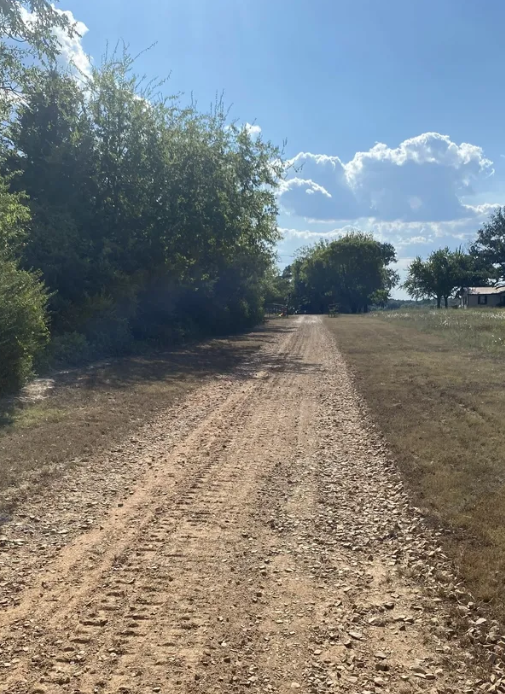
Once the base is solid and graded, it’s time to add a fresh layer of gravel. Spread the new gravel evenly and compact it to create a uniform surface. This step not only improves the driveway’s appearance but also enhances durability. Regularly topping your driveway with new gravel every few years can keep it looking pristine.
Benefits of Timely Gravel Driveway Repair
Addressing issues promptly has several advantages beyond aesthetics.
- Safety: Smooth, even driveways reduce the risk of slips, falls, and vehicle damage.
- Longevity: Repairing minor damages prevents deeper erosion and structural problems.
- Cost Savings: Avoid costly full-scale replacements by staying proactive.
By investing time and effort into maintenance, you’re not just fixing problems you’re extending the life and functionality of your driveway while keeping your property welcoming.
Conclusion
Gravel driveways offer charm and practicality, but they require attention to remain safe and visually appealing. With a careful approach to gravel driveway repair, including assessing damage, filling potholes, regrading, and topping with fresh gravel, you can maintain a durable, attractive driveway for years. Remember, consistent maintenance is the key to avoiding major repairs and keeping your home’s entrance looking inviting.