Understanding the difference between hydration drinks and sports drinks is essential for anyone looking to optimize performance, recovery, and daily wellness. While these beverages are often grouped together, they serve distinct purposes based on their ingredients, formulation, and intended use. Whether you’re an athlete, a gym enthusiast, or someone simply trying to stay refreshed, knowing which option suits your needs can make a significant difference.
What Are Hydration Drinks?
Hydration drinks are designed primarily to replenish fluids and maintain the body’s water balance. These drinks focus on restoring hydration levels without overloading the body with unnecessary sugars or stimulants. Typically, they contain water, electrolytes such as sodium, potassium, and magnesium, and sometimes natural flavoring.
Unlike traditional sports drinks, hydration drinks are often lower in calories and sugar, making them suitable for everyday consumption. They are ideal for people who need consistent hydration throughout the day, especially in hot climates, during light physical activity, or after mild dehydration.
Modern hydration solutions have evolved beyond simple electrolyte mixes. Many now include functional ingredients that support overall wellness, such as vitamins and antioxidants, offering more than just fluid replacement.
What Are Sports Drinks?
Sports drinks are formulated to support intense physical activity. Their primary goal is to replenish not only fluids but also energy lost during prolonged or high-intensity exercise. These beverages typically contain carbohydrates (in the form of sugar), electrolytes, and sometimes additional performance-enhancing ingredients.
The carbohydrates in sports drinks provide a quick source of energy, which can be beneficial during endurance sports like running, cycling, or competitive training. However, this also means they tend to be higher in calories and sugar compared to hydration drinks.
Sports drinks are most effective when used during or after workouts that last longer than an hour or involve significant sweating. For casual or low-intensity activity, they may provide more energy than necessary.
Key Differences Between Hydration Drinks and Sports Drinks
The most noticeable difference lies in their purpose. Hydration drinks focus on maintaining fluid balance, while sports drinks aim to fuel performance and recovery during intense activity.
Another important distinction is sugar content. Sports drinks often contain high levels of sugar to provide energy, whereas hydration drinks usually come in low-sugar or no-sugar options. This makes hydration drinks a better choice for daily use without the risk of excessive calorie intake.
Electrolyte balance also varies. While both types contain electrolytes, hydration drinks are typically formulated for steady replenishment, whereas sports drinks are designed to quickly replace what is lost during heavy exertion.
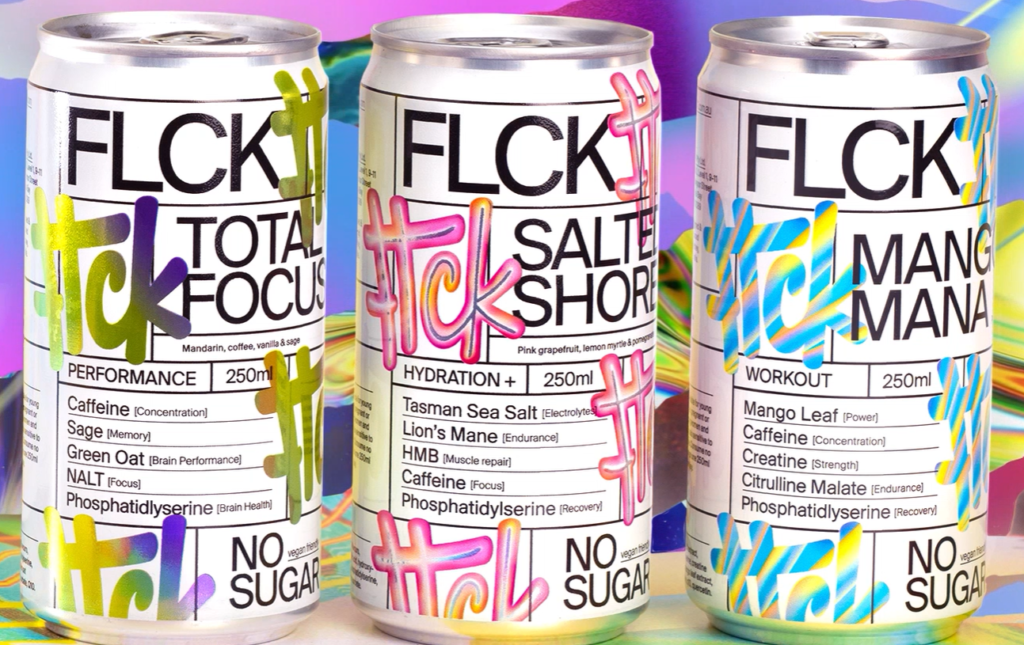
Finally, the presence of stimulants and performance ingredients can differ. Some advanced beverages, like FLCK Mango Mana, blur the line between the two categories by combining hydration with performance support. With ingredients such as creatine, citrulline, caffeine, and Q10, it delivers both hydration and energy, making it suitable for pre- and post-workout use.
When Should You Choose Hydration Drinks?
Hydration drinks are ideal for everyday scenarios. If you’re working in a warm environment, traveling, or simply trying to stay hydrated throughout the day, these drinks provide a balanced and effective solution.
They are also beneficial for light workouts, yoga sessions, or casual walks where energy demands are not excessively high. Because they are often low in sugar, they support hydration without contributing to unnecessary calorie consumption.
Additionally, people who are sensitive to caffeine or sugar spikes may find hydration drinks to be a more suitable option compared to traditional sports drinks.
When Are Sports Drinks More Appropriate?
Sports drinks are best reserved for high-intensity or endurance activities. If you’re engaging in long workouts, competitive sports, or physically demanding routines, the added carbohydrates can help sustain energy levels and improve performance.
They are also useful for rapid recovery after intense exercise, as they help restore glycogen levels and replenish electrolytes lost through sweat. However, they should be consumed mindfully, especially outside of athletic contexts, due to their higher sugar content.
The Rise of Functional Hydration
The beverage industry has seen a shift toward multifunctional drinks that combine hydration with performance benefits. Products like FLCK Mango Mana represent this new category, offering a blend of hydration support and workout-enhancing ingredients.
With a unique flavor profile of mango, vanilla, and strawberry gum, along with no-sugar and low-sugar options, it caters to modern consumers who want both taste and functionality. These hybrid drinks are particularly appealing for those who want to streamline their routine without compromising on results.
Conclusion
In summary, the difference between hydration drinks and sports drinks comes down to their purpose, composition, and usage. Hydration drinks are designed for maintaining fluid balance and are ideal for everyday use, while sports drinks are tailored for fueling intense physical activity and recovery.
Choosing the right drink depends on your lifestyle and activity level. For daily hydration and light activity, hydration drinks are the smarter choice. For endurance training and high-performance needs, sports drinks can provide the extra boost required.