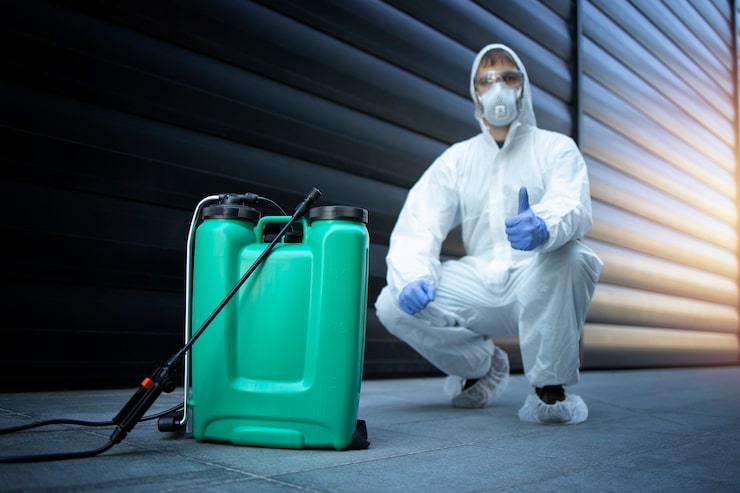
Every home tells a story of comfort, safety, and peace. However, unseen invaders can quietly disrupt this harmony. Pests are not just an inconvenience; they can affect health, hygiene, and property. Understanding how to manage them effectively is essential for maintaining a clean and secure living environment. This guide explores practical, human-friendly solutions that make pest management simple and sustainable.
Why Rodent Control and Insect Control Are Essential for Every Home
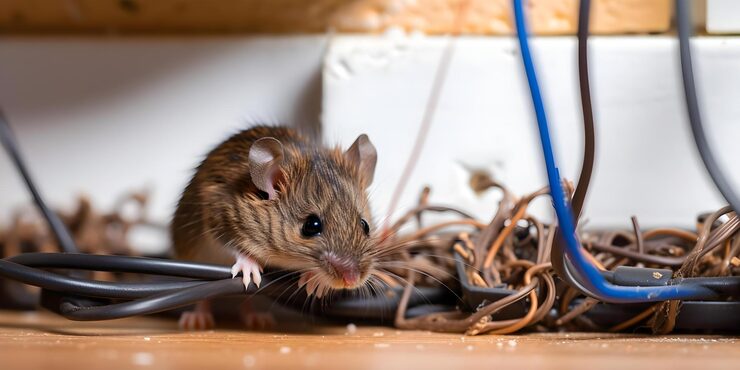
When it comes to protecting your living space, rodent control, insect control plays a critical role in preventing infestations that can spiral out of control. Rodents such as rats and mice are known for spreading diseases and damaging structures, while insects like cockroaches and ants contaminate food and surfaces.
Ignoring early signs can lead to severe consequences. Small droppings, gnaw marks, or unusual sounds are often indicators of a larger problem. Acting early not only saves money but also reduces health risks. Maintaining cleanliness and sealing entry points are the first steps toward effective pest management.
Understanding Common Household Pests
Different pests require different strategies. Rodents often seek shelter and food indoors, especially during colder months. Insects, on the other hand, are attracted to moisture, food crumbs, and dark corners. Identifying the type of pest is the foundation of any successful approach.
Homeowners often overlook minor infestations, thinking they will resolve on their own. Unfortunately, pests multiply quickly. A proactive approach ensures that small issues do not turn into major problems.
Effective Rodent Control and Insect Control Methods
Implementing the right techniques can make all the difference. Prevention is always better than cure, and a combination of methods often yields the best results.
- Maintaining cleanliness, sealing cracks, storing food properly, and using safe pest repellents can significantly reduce the chances of infestation.
Professional services may be necessary for severe cases, but many problems can be handled with consistent effort and awareness. Natural repellents, traps, and eco-friendly sprays are increasingly popular among homeowners who prefer safer alternatives.
The Role of Hygiene and Maintenance
A clean home is less attractive to pests. Regular cleaning routines eliminate food sources and breeding grounds. Kitchens and bathrooms require special attention, as they provide both food and moisture.
Waste management is another critical factor. Proper disposal of garbage and regular cleaning of bins prevent pests from gathering. Simple habits like wiping surfaces and fixing leaks can go a long way in keeping your home pest-free.
Seasonal Pest Challenges
Different seasons bring different pest challenges. During the rainy season, insects thrive in damp conditions. In winter, rodents seek warmth indoors. Understanding these patterns helps in preparing your home accordingly.
Preventive measures such as checking for cracks before winter or reducing moisture during monsoon seasons can significantly reduce pest activity. Staying one step ahead is the key to effective control.
Eco-Friendly Pest Control Solutions
Modern homeowners are increasingly opting for environmentally friendly solutions. These methods are not only safer for families but also reduce harm to the ecosystem.
Natural oils, herbal sprays, and non-toxic traps are effective alternatives to chemical pesticides. These solutions work well for mild to moderate infestations and are ideal for households with children and pets.
Long-Term Prevention Strategies
Consistency is crucial when it comes to pest control. One-time treatments rarely provide lasting results. Regular inspections and maintenance ensure that pests do not return.
Educating family members about cleanliness and proper food storage also plays a significant role. A collective effort ensures a healthier and safer living space. When it comes to protecting your living space, rodent control, insect control plays a critical role in preventing infestations that can spiral out of control. Rodents such as rats and mice are known for spreading diseases and damaging structures, while insects like cockroaches and ants contaminate food and surfaces.
Conclusion
Pest control is not just about eliminating unwanted creatures; it is about creating a safe and comfortable environment for your family. By adopting practical strategies and maintaining good hygiene, you can effectively manage and prevent infestations. A proactive approach ensures peace of mind and a healthier home for years to come.
FAQs
- How often should pest control be done at home?
It depends on the level of infestation, but generally, every 3 to 6 months is recommended for prevention. - Are natural pest control methods effective?
Yes, they are effective for minor infestations and preventive measures, especially when used consistently. - What attracts rodents and insects to a home?
Food, moisture, and shelter are the main factors that attract pests into living spaces.