There’s a version of car ownership where the vehicle looks sharp for fifteen years. You see it occasionally — someone driving a well-maintained older car that still turns heads. That doesn’t happen by accident.
The cars that age well have owners who treated protection as routine maintenance rather than a reactive fix. Two of the most underutilized tools for this are Ceramic window tint and timely paint care — and they work better together than most people realize.
Start With the Windows
Why Window Tinting Is Preventive, Not Cosmetic
People often assume tinting is an aesthetic choice. But the UV and infrared protection from ceramic window tint is doing active work every time the car is parked in sunlight or driven on a sunny day.
Ultraviolet radiation breaks down the polymers in dashboard plastics, fades fabric and leather, and accelerates the aging of any material it reaches consistently. A car parked outdoors without window protection ages noticeably faster than a garaged vehicle — not just on the outside, but inside the cabin where you sit and where resale value is partly determined.
Ceramic film specifically handles this better than alternatives because it doesn’t degrade under UV exposure the way dyed films do. The protection stays consistent over time.
Windshield Tinting — The Overlooked Option
Most drivers never consider applying film to the windshield. Legal VLT restrictions mean you can’t go dark, but a light ceramic film that passes inspection still delivers meaningful UV and infrared rejection. For commuters, this is a daily comfort upgrade and a long-term skin protection measure.
The Paint Side of the Equation
Sun, Heat, and What They Do to Your Paint
Clear coat fading, oxidation, and paint chalking are all symptoms of long-term sun exposure. The same UV radiation that fades your dashboard fades your paint. Darker colors — especially black, navy, and deep red — show oxidation and swirl marks faster than lighter colors.
Washing regularly, waxing or sealing periodically, and addressing paint damage quickly are the core habits that keep paint in good shape. The last point gets neglected most often.
Why Timing Matters With Paint Chips
A chip that exposes bare metal needs attention quickly. Once moisture gets under the paint layer, corrosion starts almost immediately in humid environments. A car paint touch up done within a few weeks of noticing damage costs very little. Rust remediation and panel resprays cost significantly more.
This isn’t meant to create anxiety about every small chip — it’s a practical point about timing. Quick attention to small damage prevents compounding problems. The resources available through Shady Stint cover both window protection and exterior paint care, making it easier to address both sides of the equation.
Habits That Make a Real Difference
Parking Choices
Where you park matters more than people give it credit for. Consistent shade — whether a garage, a carport, or even a tree — significantly reduces UV exposure over the life of the vehicle. Combined with window tinting, a shaded parking habit is one of the most effective preservation strategies available.
Washing and Drying Technique
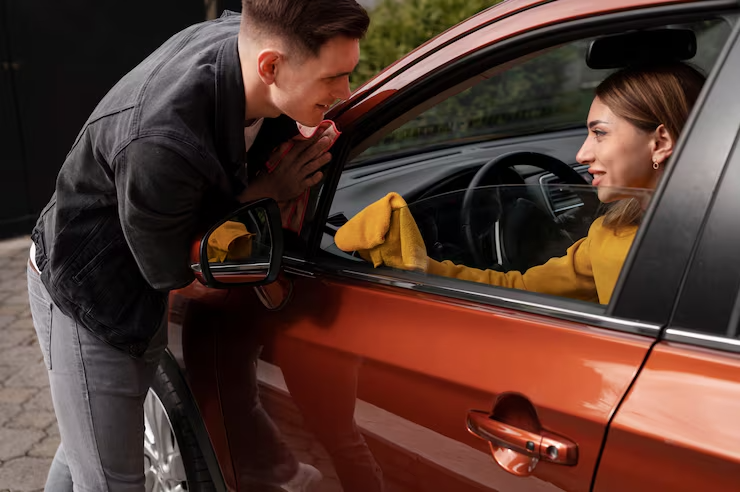
Automatic car washes with spinning brushes introduce micro-scratches into the clear coat over time. Hand washing with a two-bucket method (one for soapy water, one for rinse) and a clean microfiber mitt prevents most of this. Drying with a microfiber towel rather than air-drying prevents water spot etching, which is particularly damaging in hard-water areas.
Wax and Sealant as Routine Maintenance
A wax or synthetic sealant applied every three to six months adds a sacrificial layer between your clear coat and the elements. It’s not glamorous maintenance, but it makes a measurable difference in how the paint holds up over years.
Conclusion
Keeping a car looking new isn’t about expensive treatments or obsessive detailing. It’s about consistent, well-timed attention to the things that age a car fastest — UV radiation, moisture penetration, and deferred maintenance. Ceramic window tint handles a significant portion of the UV problem. Smart paint care handles the rest. Put them together, and the results speak for themselves over time.