
The popularity of historical exploration has grown rapidly as digital platforms make it easier for audiences to experience discoveries from anywhere in the world. Underwater expeditions, archaeological investigations, and documentary style videos have introduced millions of viewers to stories that once remained hidden beneath the surface. Black Dive Expeditions has become part of this movement by producing content that combines history, adventure, and education. As its audience has expanded, conversations have also developed about how historical findings should be interpreted and presented responsibly.
The Evolution of Exploration Content
Modern exploration content differs significantly from traditional history programs. Instead of relying entirely on expert narration, creators often take viewers directly to the discovery site, allowing them to witness each stage of an expedition.
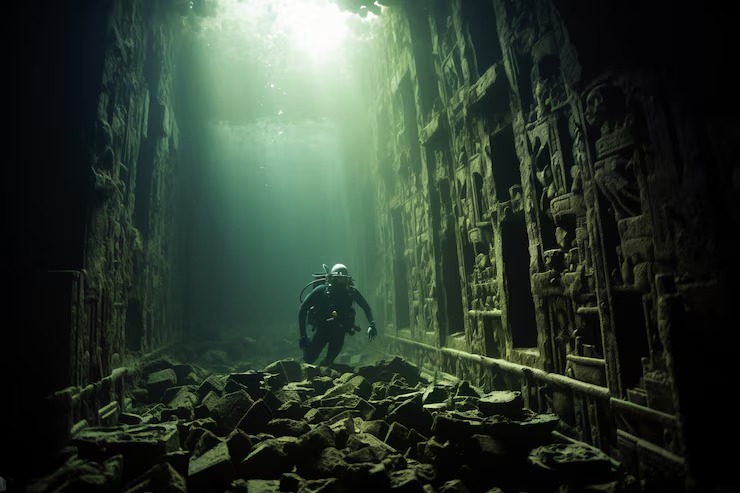
Black Dive Expeditions follows this format by documenting research, dive preparation, underwater searches, and the recovery of historical artifacts. This approach creates an engaging experience that encourages audiences to appreciate the effort behind every discovery rather than simply focusing on the final result.
The success of this style reflects growing interest in educational content that feels authentic and interactive.
Why the Controversy Continues
The Black Dive Expedition controversy has centered on discussions about historical interpretation rather than the exploration process itself. Some critics believe that creators should avoid presenting theories until additional evidence has been verified through detailed research.
Historical investigations rarely produce immediate answers. Archaeologists often spend months or even years examining discoveries before reaching reliable conclusions. Because online audiences prefer fast paced storytelling, some viewers worry that speculation may occasionally receive more attention than confirmed historical evidence.
Others see the situation differently, arguing that exploring different possibilities is a natural part of historical investigation as long as uncertainty is acknowledged.
The Role of Audience Expectations
Today’s viewers expect content that is both informative and entertaining. This creates a unique challenge for creators covering historical topics. They must keep audiences engaged while remaining faithful to established research and archaeological standards.
Many exploration channels have responded by including additional historical references, consulting specialists, and explaining when discoveries require further investigation. These practices help viewers better understand the difference between verified information and ongoing research.
The conversation surrounding Black Dive Expeditions reflects these changing expectations across digital education.
Conclusion
The Black Dive Expedition controversy demonstrates how historical storytelling continues to evolve in the digital age. While opinions regarding interpretation may differ, the discussion has encouraged greater attention to research, transparency, and responsible communication. As underwater exploration uncovers more forgotten stories, maintaining public trust will remain just as important as making exciting discoveries.