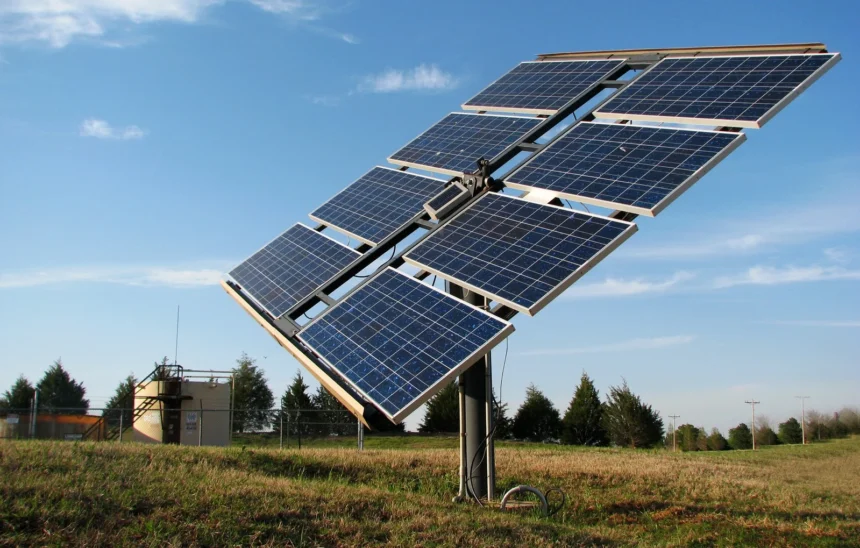
As the world shifts toward cleaner and more sustainable energy sources, solar power continues to lead the renewable revolution. But traditional solar panels have a limitation: they stay fixed in one position while the sun moves across the sky. This is where solar trackers come in. By intelligently following the sun path, solar trackers significantly increase energy production and efficiency.
What Is a Solar Tracker?
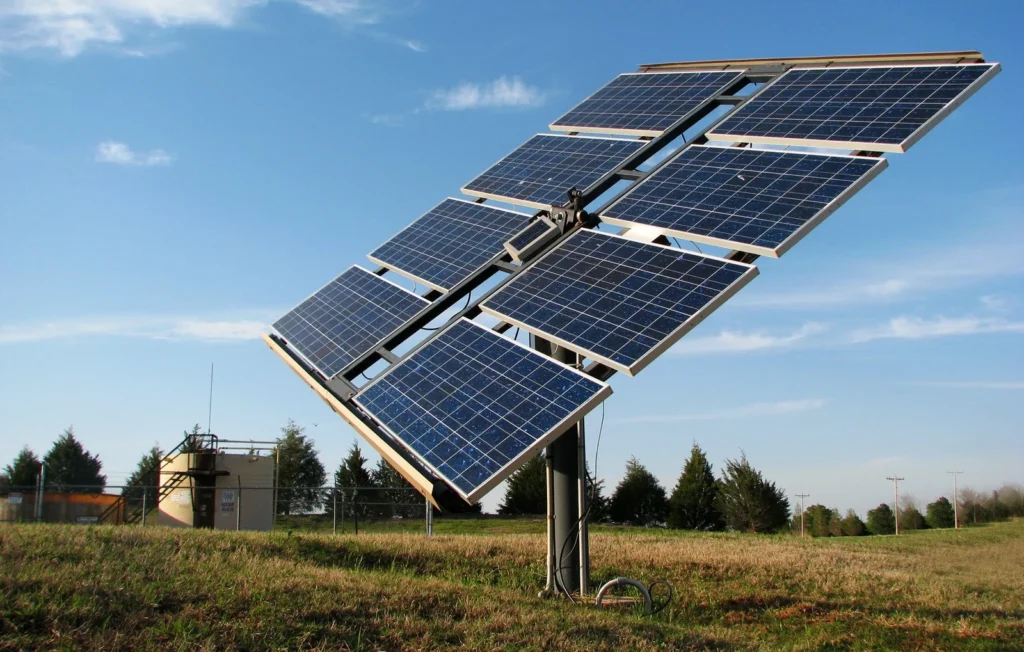
A solar tracker is a mechanical system that automatically adjusts the orientation of solar panels to follow the sun throughout the day. Unlike fixed solar panels, trackers ensure that panels maintain the optimal angle to capture maximum sunlight from sunrise to sunset.
The Core Purpose of Solar Tracking Systems
The primary goal of a solar tracker is simple: maximize solar energy absorption. By keeping panels aligned with the sun position, trackers can increase energy output by 20% to 40%, depending on location and system type.
How Solar Trackers Follow the Sun
Solar trackers rely on a combination of sensors, algorithms, and motors to adjust panel positioning in real time.
Light Sensors and Control Algorithms
Most solar trackers use light-dependent resistors (LDRs) or similar sensors to detect sunlight intensity. When one sensor receives more light than another, the system controller calculates the sun’s direction and sends signals to reposition the panels accordingly.
Single Axis vs Dual Axis Tracking
Single Axis Solar Trackers
Single axis trackers move panels along one direction, usually east to west, following the sun’s daily path. They are widely used in largescale solar farms due to their balance of efficiency and cost.
Dual Axis Solar Trackers
Dual axis trackers adjust both horizontally and vertically. This allows them to follow not only the sun’s daily movement but also its seasonal changes, making them ideal for regions with varying sun angles.
Motors and Mechanical Movement
Electric motors or hydraulic systems physically rotate the panels based on instructions from the controller. These movements are precise, gradual, and designed to minimize energy consumption while maximizing solar gain.
Why Solar Trackers Are Revolutionizing Renewable Energy
Solar trackers are not just an upgrade they’re a major leap forward in solar technology.
Increased Energy Production
By maintaining optimal alignment with the sun, solar trackers significantly outperform fixed systems. This higher output means more electricity generation from the same number of panels.
Improved Return on Investment (ROI)
Although solar tracker has higher upfront costs, the increased energy yield often results in faster payback periods and better long-term returns, especially for commercial and utility scale projects.
Better Land Use Efficiency
With trackers producing more energy per panel, fewer panels may be required to meet energy targets. This makes solar trackers especially valuable in areas where land availability is limited or expensive.
Supporting Grid Stability and Clean Energy Goals
Higher and more consistent energy output helps stabilize power supply and supports national and global renewable energy targets, reducing dependence on fossil fuels.
Applications of Solar Trackers Today
Solar trackers are widely used in utility scale solar power plants, commercial installations, and increasingly in advanced residential systems. As technology improves and costs decrease, adoption is accelerating worldwide.
Conclusion
Solar trackers represent a powerful evolution in solar energy technology. By intelligently following the sun, they unlock higher efficiency, better energy yields, and stronger financial returns. As renewable energy demand grows, solar trackers are playing a crucial role in making solar power more efficient, scalable, and impactful. In the race toward a sustainable future, solar trackers are no longer optional; they’re revolutionary.