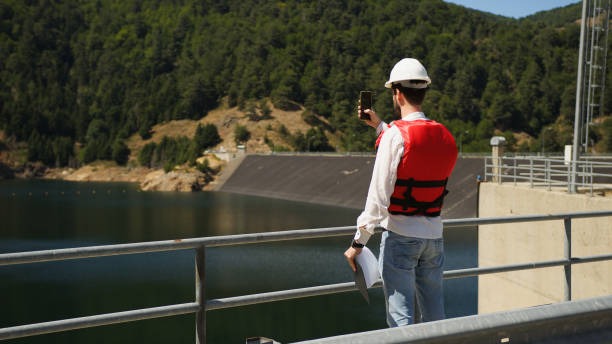
Keeping drinking water safe starts way before it reaches the taps, like way back in the storage tanks that feed our neighborhoods. Those tanks are built to keep the water protected, but they are still vulnerable to things that should not get in. If you want to know what contaminants are commonly found in potable water reservoirs, that’s usually the first move. Once these odd materials pile up, water quality can take a hit, and people often notice it fast with taste and odor complaints, even if nobody thinks about it until there’s a problem. In tougher situations, these pollutants can also become a real health concern for the people using the water, not just an annoying aesthetic issue.
Quick Answer: Why does Reservoir Maintenance seem necessary?
Routine upkeep is required so that sediments, biofilms, and outside debris don’t build up, because these things can shelter pathogens. If Potable Water Reservoir Inspection and Cleaning doesn’t happen on a regular basis, the water quality can quietly slide downhill, chlorine disinfection works less well , and small structural problems stay unseen. Then, over time, you risk systemic contamination across the public water supply.
The Vital Importance of Potable Water Reservoir Inspection and Cleaning
Keeping our water supply in good shape really takes proactive steps, not just rushing in after something goes wrong. A reservoir might seem clean at first glance, but sediment and biofilm can quietly form on the floor and walls, over time, and yes this can become a sort of breeding place for microorganisms. That is exactly why Potable Water Reservoir Inspection and Cleaning is not optional, it s something that has to be handled, especially in municipal water management. When routine evaluations are done, utility providers can spot structural weak spots, possible entry paths for pests, and the kind of harmful sediments that erode water quality.
And the thing is, the “keep it pristine” part is not just a casual task. It needs specialized tools and people who are trained in the delicate balance of the whole water system. If there is no scheduled program for Potable Water Reservoir Inspection and Cleaning, then water facilities can face slow deterioration of infrastructure, almost unnoticed at first. Sediment accumulation can basically act like insulation for bacteria , shielding them from leftover chlorine and making disinfection less effective. So yeah, systematic maintenance is the backbone for delivering safe water, because without it everything gets harder.
Figuring out which common pollutants show up in storage
Water sitting in reservoirs is kind of exposed to both outdoor conditions and the actual structure itself, so different contaminants can slip in. Even if treatment plants do a really solid job cleaning the water before it goes into the distribution system, the reservoir is basically the last holding area, and that means secondary contamination can still happen. When we do a Potable Water Reservoir inspection and cleaning, we’re basically searching for a certain lineup of “unwanted guests” that got past the first barriers, or moved in through small structural weaknesses.
Some contaminants that often build up include:-
- Sediment and silt: small soil bits, or mineral buildup, that slowly settles toward the bottom, and then it becomes a base for biological growth
- Biofilms: that slippery, bio-layer of bacteria that clings to the inner walls and floors, where it can trap pathogens and also shield them from disinfection chemicals
- Organic matter: leaves , twigs , and even insects that end up getting in through vent openings or roof cracks, then they start breaking down and shifting the water’s chemical profile a bit
- Inorganic contaminants: mineral residues like iron and manganese, which can loosen from pipes or concrete walls, and that can affect how the water looks , tastes and feels

The Impact of Sediment and Biological Growth
Beyond the obvious health concerns, the buildup of material in reservoirs starts to feel like a quiet nuisance, it makes day to day operations clunky. When sediment levels rise, they can start clogging intake valves , and then it gets messy with the chemical disinfection process too. Doing a Potable Water Reservoir Inspection and Cleaning lets technicians remove the deposits before they turn into a bigger problem, so the water stays clear and also free from those taste altering substances. If it’s brushed off, the whole thing can snowball—water may become discolored, people notice fast, and then you get the usual stream of complaints plus a real loss of confidence in municipal water services .
Best Practices for Maintaining Reservoir Health
To keep contaminants from accumulating, facilities have to follow strict upkeep routines. That means sealing every entry point , so wildlife and small debris can’t drift in, and also maintaining positive pressure inside the system. On top of that, using newer Potable Water Reservoir Inspection and Cleaning methods—like remotely operated vehicles (ROVs) that can look around inside a tank while it stays in service—has changed the way teams handle water safety. These tools cut down on downtime, yet they still push the inspection depth much further , which is basically the goal, right.
How often should inspections happen, though?
Even though the rules change depending on where you live, most industry expectations point to doing a detailed visual and hands on evaluation about every three to five years. But if the water chemistry starts to fluctuate or if you notice weird discoloration coming out of the tap , then Potable Water Reservoir Inspection and Cleaning should be arranged right away. Basically, you go ahead even if the last maintenance was not that long ago, because stored water safety is not something to wait on.
Conclusion
The safety of our water supply is kind of a shared responsibility, it starts with keeping a close eye on storage facilities. In this discussion, we looked at how knowing which contaminants show up most often in potable water reservoirs matters a lot for preventing public health problems. If municipalities focus on regular Potable Water Reservoir Inspection and Cleaning , they can help make sure the water that ends up in our homes is as clean and safe as realistically possible. Maintenance isnt only a chore, it also feels like a basic investment in the health and long term lifespan of our community’s infrastructure.
Frequently Asked Questions (FAQ)
- Can I drink water if a reservoir has not been cleaned in years? While the water is likely still treated at the plant, the risk of secondary contamination increases significantly in poorly maintained tanks. It is always best to verify your local water quality reports.
- What technology is used for modern inspections? Technicians often use underwater ROVs equipped with high-definition cameras and sensors to map the interior of the tank without requiring it to be drained.
- Does chlorine kill everything in a dirty reservoir? No. Sediment and biofilm create protective barriers that allow bacteria to survive even in chlorinated water, which is why physical removal via Potable Water Reservoir Inspection and Cleaning is essential.