Cybersecurity threats are becoming more advanced every day, making it difficult for businesses and individuals to protect their systems without professional support. A Managed Cybersecurity provider helps organizations stay protected by continuously monitoring networks, devices, applications, and data for suspicious activity. Instead of waiting for security issues to occur, managed cybersecurity services focus on prevention, early detection, and rapid response.
For businesses in Connecticut, GT Computing delivers dependable IT solutions, including managed IT services, computer repairs, data recovery, virus removal, hardware testing, network support, backups, and cybersecurity protection. Their experienced technicians provide proactive monitoring and 24/7/365 support to help keep technology secure, reliable, and performing at its best.
Monitoring Network Activity and Traffic
One of the most important responsibilities of a Managed Cybersecurity provider is monitoring network activity. Cybersecurity specialists analyze incoming and outgoing traffic to identify unusual behavior, unauthorized access attempts, malware communication, or potential attacks.
Network monitoring helps detect threats such as ransomware, phishing-related breaches, and unauthorized users trying to access business systems. By continuously reviewing network activity, security teams can respond quickly before minor issues become major security incidents.
Tracking Devices and Endpoints
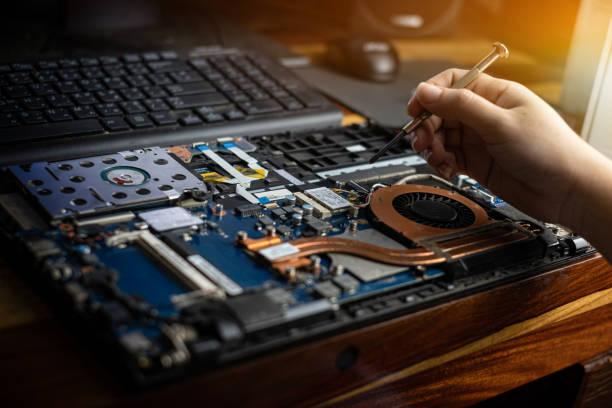
Modern businesses rely on computers, laptops, mobile devices, servers, and other connected equipment. Every device connected to a network can become a potential entry point for cybercriminals. A Managed Cybersecurity provider monitors these endpoints to identify vulnerabilities and suspicious actions.
Endpoint monitoring includes checking for malware infections, outdated software, unusual file changes, and unauthorized applications. Regular monitoring helps ensure that devices remain protected and employees can work safely without unnecessary security risks.
Detecting Malware and Viruses
Malware, ransomware, spyware, and viruses continue to threaten businesses of all sizes. A managed cybersecurity team uses advanced tools to detect and block malicious software before it causes damage.
Through continuous scanning and threat detection, providers can identify infected files, suspicious downloads, and harmful programs. This proactive approach reduces downtime, protects sensitive information, and helps businesses avoid costly recovery efforts.
Reviewing Security Alerts and Threats
A major part of Managed Cybersecurity involves reviewing security alerts generated by monitoring systems. Security tools may produce thousands of notifications, but not every alert represents a serious threat. Experienced cybersecurity professionals analyze these alerts to determine which issues require immediate attention.
By filtering and prioritizing threats, managed cybersecurity providers help businesses focus on real risks instead of being overwhelmed by unnecessary warnings. This allows faster responses to genuine security problems.
Monitoring User Access and Permissions
Unauthorized access is one of the most common causes of data breaches. Managed cybersecurity providers monitor user accounts, login activity, and permission settings to ensure only approved individuals can access sensitive information.
Security teams look for unusual login attempts, suspicious locations, and excessive access privileges. Proper user monitoring helps prevent internal mistakes and protects valuable business data from unauthorized users.
Managing Security Updates and Vulnerabilities
Outdated software and missing security updates create opportunities for hackers to exploit weaknesses. A Managed Cybersecurity provider monitors systems for vulnerabilities and helps apply necessary patches and updates.
Regular security maintenance improves system protection and reduces the chances of attackers using known software flaws. Keeping technology updated is an essential part of maintaining a strong cybersecurity strategy.
Protecting Business Data and Backups
Data protection is another key area monitored by cybersecurity professionals. Businesses depend on important files, customer information, financial records, and operational data. Managed cybersecurity services monitor backup systems to ensure information can be recovered after unexpected events.
Reliable backup monitoring helps businesses recover from ransomware attacks, hardware failures, or accidental data loss. Combined with strong security practices, backups provide an additional layer of protection.
Conclusion
A Managed Cybersecurity provider monitors many aspects of an organization’s technology environment, including networks, devices, user access, malware activity, vulnerabilities, and data protection systems. Continuous monitoring allows businesses to identify threats early and maintain stronger security defenses. With GT Computing’s proactive cybersecurity solutions, businesses and individuals can benefit from expert protection, reliable support, and secure technology management designed to keep systems running smoothly.